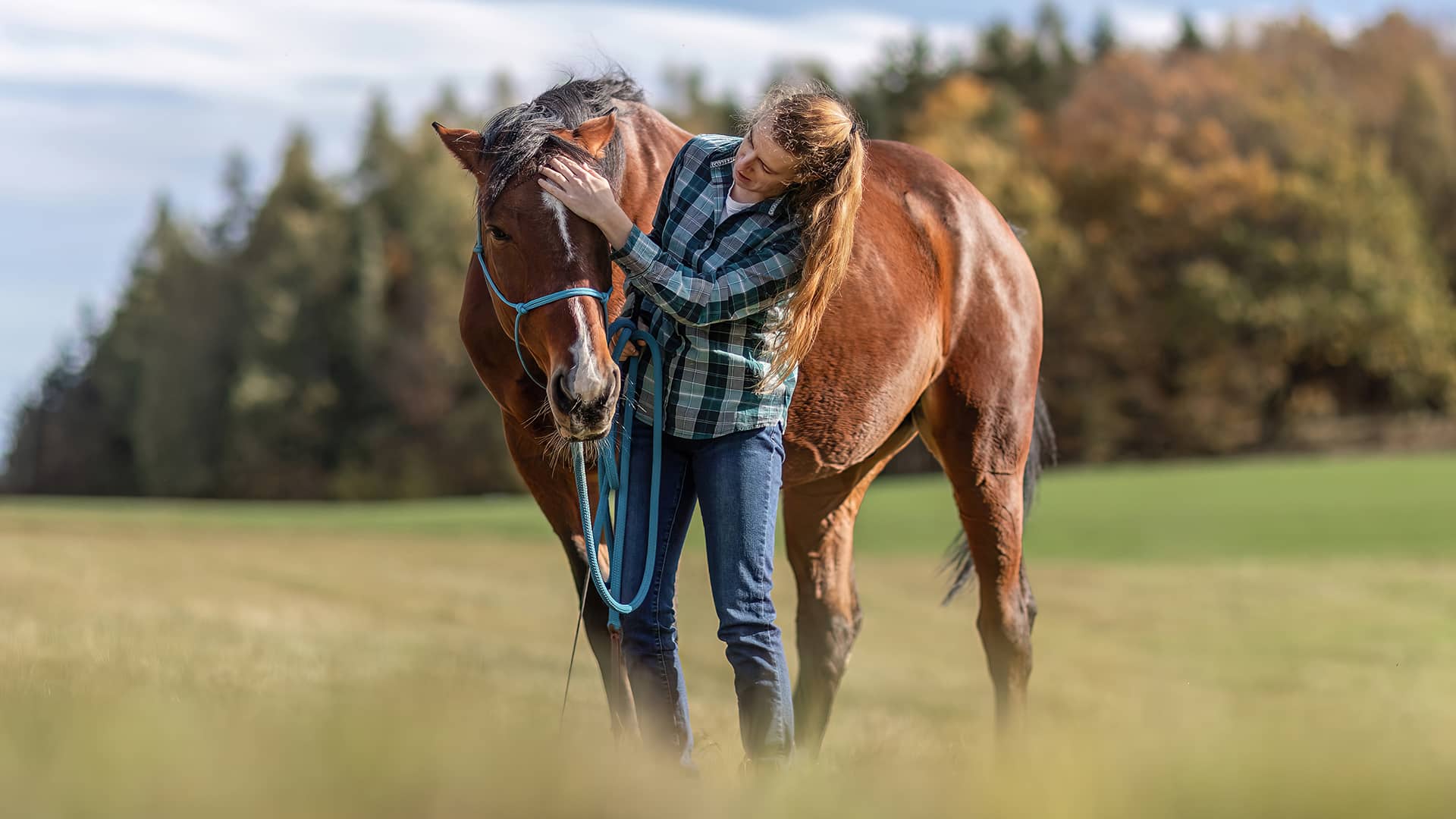
Buying a horse is equal parts exciting and overwhelming.


Buying a horse is equal parts exciting and overwhelming. With so many factors to consider, from temperament to long-term health, taking a structured approach can help you find the right match and protect your investment. Here’s a streamlined guide covering the three essentials: choosing the right horse, arranging a pre-purchase veterinary exam, and organising insurance for peace of mind.

Getting a vet to check a horse before you buy is a wise step.
1. FINDING THE RIGHT HORSE
Before you start scrolling through listings, be clear about your goals, experience and budget. Think about what you want the horse to do! Pleasure riding, competition, breeding, or a mix, and choose a type and temperament that truly suits the owner.
When reviewing ads, prioritise transparency: look for horses with clear histories, consistent footage and honest descriptions. Ask for recent videos, training notes, shoeing and vet records, and if possible, bring a trainer along for the viewing. Watching how the horse behaves in the stable, on the ground and under saddle will give you a true sense of suitability.
2. THE PRE-PURCHASE VETERINARY EXAMINATION
Getting a vet to check a horse before you buy is a wise step, but it does not have to be expensive or complicated. Most purchases happen within modest budgets, so a basic vet inspection can provide valuable peace of mind without costing a fortune.
Typically, a general pre-purchase vet check in Australia costs $500. During this visit, an independent equine vet will assess the horse’s overall health, including a clinical examination of eyes, heart, lungs and basic soundness. They may also perform simple flexion tests and observe the horse moving in hand or under saddle to identify any obvious issues.
For horses intended for light riding or companionship, this level of check is often sufficient. If you are considering a horse for more demanding work or competition, the vet can advise if further tests such as x-rays or ultrasounds might be needed, which would add to the cost.
Using an independent vet’s opinion helps you spot potential concerns early and gives you leverage to negotiate or reconsider your choice. Even a straightforward vet check is an important step in making a confident and informed purchase.


Choosing a horse is a deeply personal decision; with the right preparation, you can focus on what matters most.
3. ORGANISING INSURANCE
Once you’ve found the right partner, arranging insurance is a smart final step. Horses are incredible animals, but they can also be unpredictable, and veterinary treatment can become costly very quickly. Having the right cover in place means you’re protected from day one.
Petcover’s equine policies are built specifically for the needs of Australian horse owners, offering flexible options that range from major medical and surgical cover to mortality, loss-of-use and public liability. One of the key advantages is the flexibility of cover available across different disciplines and uses.
Good insurance shouldn’t just be a safety net for worst-case scenarios; it provides confidence that you can give your horse the best treatment when it matters most. For many owners, it becomes an essential part of responsible horsemanship.
Read more: WHY INSURE? MURPHY WAS A HORSE – Equestrian Life, October 2025
FINAL THOUGHTS
Choosing a horse is a deeply personal decision, but taking time to match the right temperament, complete a thorough vet check and arrange appropriate insurance sets you up for a long, safe and enjoyable partnership.
With the right preparation, you can focus on what matters most: building a rewarding relationship with your new horse.
Petcover – Making equine insurance simple, get a quote today.
This article was written in conjunction with Petcover. EQ
Related articles

They say Murphy was a horse – and every rider knows why. From surprise vet bills to missed events, insurance helps soften the blows, letting us focus on the joy of horse ownership.
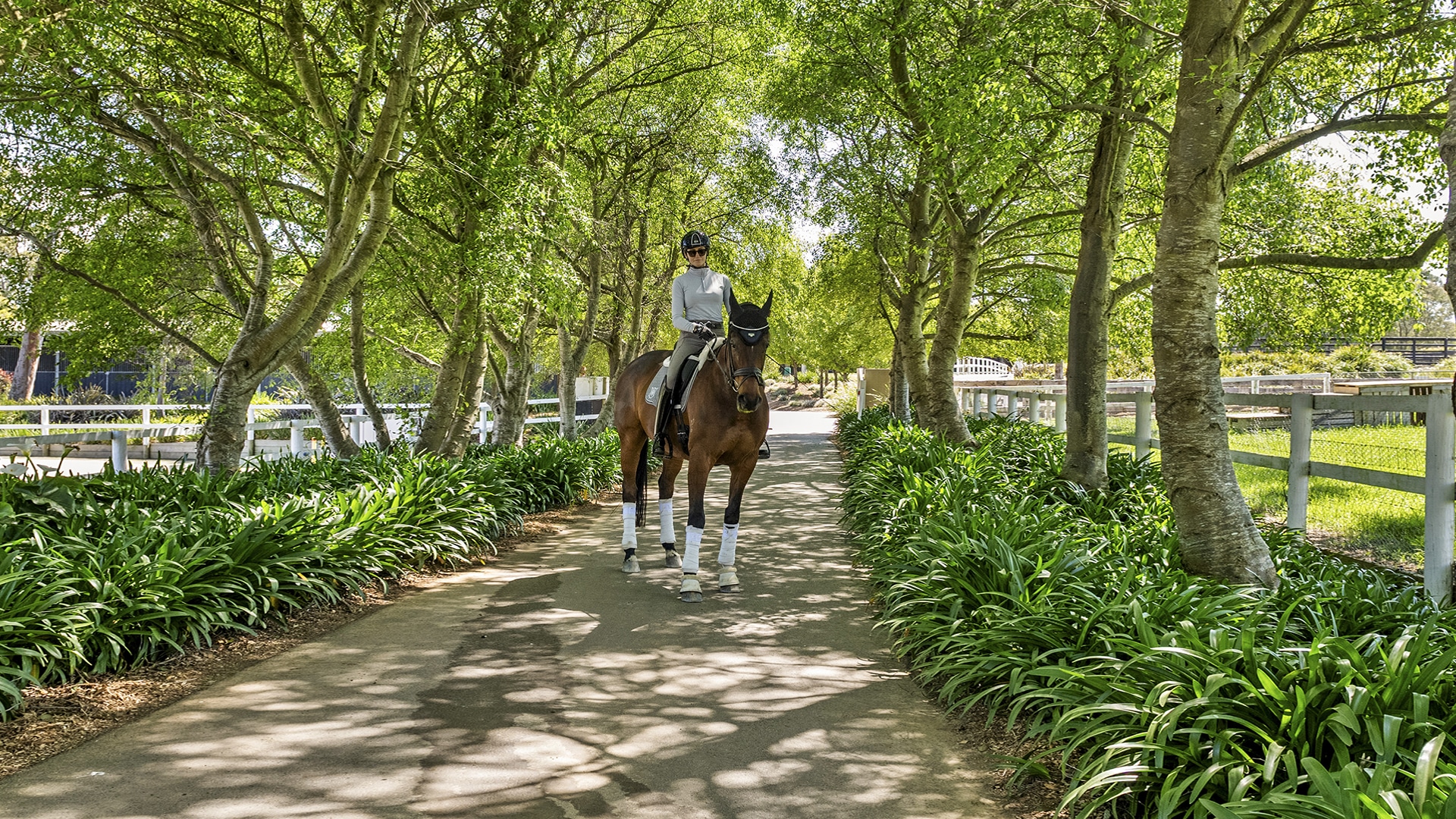
Nestled in the heart of Victoria’s Mornington Peninsula, 356 Shands Road, Main Ridge has been home to Alisha Griffiths for nearly 15 years. It has provided sanctuary, enabled her to pursue her love of horses – and served as her livelihood. Now listed for sale, the property offers unparalleled opportunities for one lucky new owner.