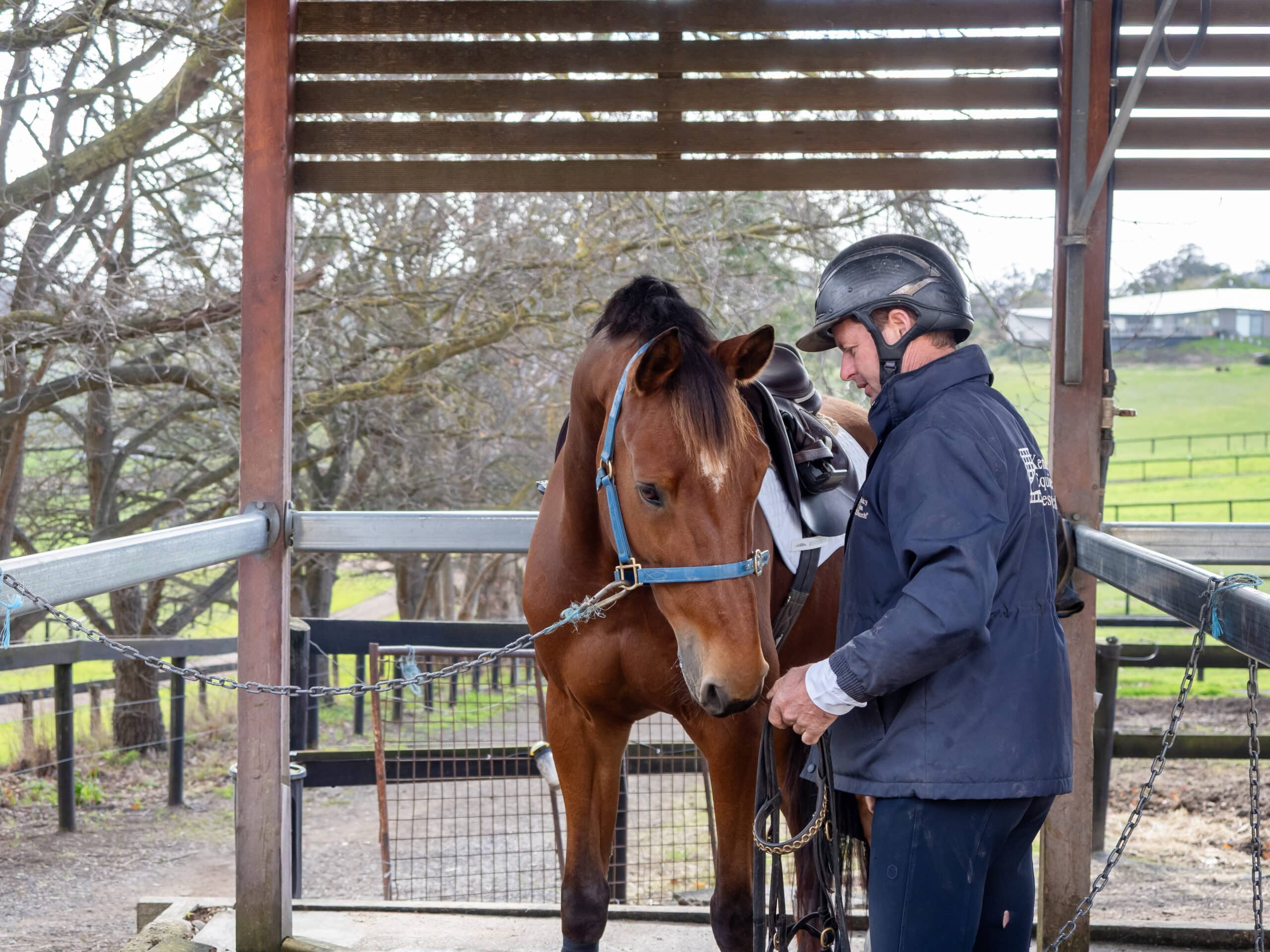


The importance of nutrition for the equine athlete is undeniable. Without well-balanced diets, horses cannot perform, and without a well-functioning gastrointestinal tract, horses cannot adequately transform diets to performance fuel. All too often we focus on what we feed, but equally important for gut health is how we feed, so here are a few points to remember for various areas of the gut.
STOMACH
The horse’s stomach is relatively small, accommodating only 7.5 to 15 litres of ingesta, which is markedly less than the stomachs of similar-sized animals. Stomach volume dictates meal size, and as horses are ranging herbivores their digestive system is designed to consume small meals frequently.
A medley of gastric enzymes and acids are secreted by the stomach. These acidic liquids are incredibly efficient at further breaking down feeds and preparing nutrients for absorption.
The constant acid production can be a menace to performance horses, especially those that are stabled for long periods of time without free-choice access to pasture or hay. Regular forage consumption supports stomach health in two ways: the constant flow of bicarbonate-rich saliva that aids in reducing acidity of the stomach, and fibre in the stomach gives the acid an appropriate outlet on which to work, saving the delicate stomach lining from erosion and the eventual formation of ulcers.
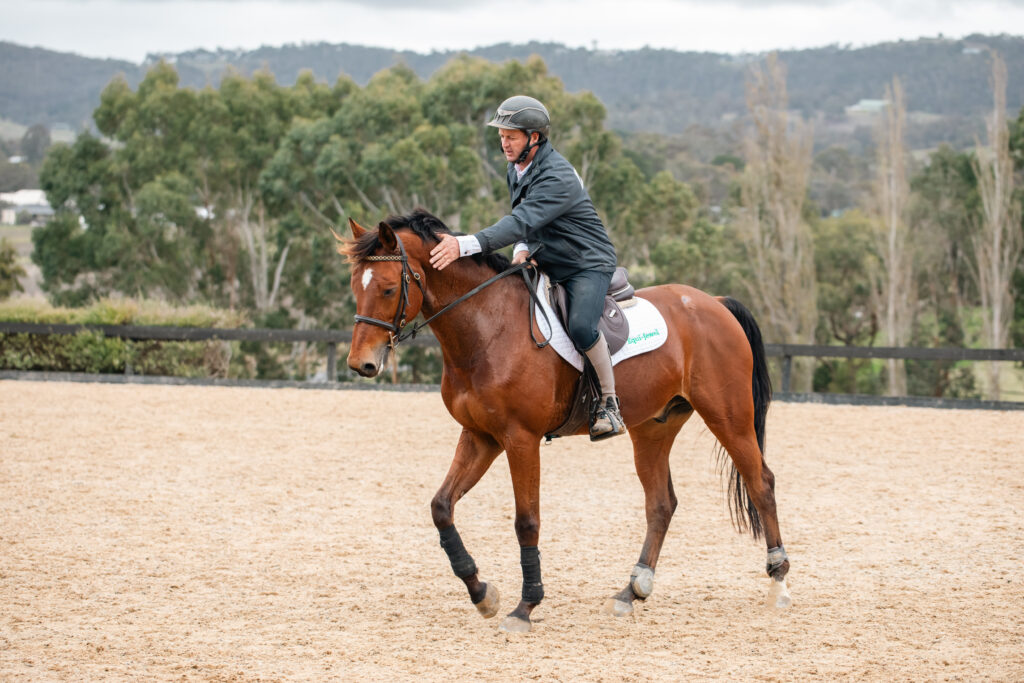
At Glenwood Park, the care of the horse is always put first.
“EGGD appears to be
more closely linked to
exercise management…”
Gastric ulcers in the squamous or upper region of the stomach (EGSD) are a well-known source of problems for performance horses. Though these lesions affect horses differently, it is not uncommon for horses to be sour and unwilling to work, experiencing a noticeable decline in performance. Clinical signs might include loss of weight, girthiness, dull coat, and lethargy.
Lesions in the lower, glandular region (EGGD) are less understood but are a concern in performance horses, especially warmbloods. EGGD appears to be more closely linked to exercise management, heavy workload, and stress, rather than nutrition, with horses in full work with limited rest days and those actively competing being more susceptible.
SMALL INTESTINE
The horse’s small intestine, composed of the duodenum, the jejunum, and the ileum, can reach 22 meters in length and contains various digestive enzymes which break down protein, fat and carbohydrates. It is the major zone of absorption for simple sugars derived from starch digestion, of amino acids from protein digestion, of free fatty acids resulting from digestion of fat in the diet, of the fat-soluble vitamins A, D and E, and of some minerals. Transit through the small intestine can take from one to eight hours. Sudden variations in the type or amount of feed can result in less than optimum feed breakdown, keeping the horse from getting the maximum benefit from what has been eaten. If a horse requires higher levels of starch for energy, it is important that the cereal grain including barley or maize is processed to make it more easily digested in the small intestine. If the horse has eaten an extremely large grain meal or a great quantity of fresh grass, the digestive ability of the small intestine may be overwhelmed, resulting in a significant amount of starch /sugar being passed to the large intestine. Interestingly oats are very well digested naturally by the horse. Starch digestion can be assisted by processing but also timing and the amount fed. Remember small feeds frequently to not overwhelm the GI tract.
To ensure that the small intestine remains functional and healthy it is important to feed small meals of no more than 2.5kg. Monitor consumption of fresh grass and introduce new feeds, forages, and hay gradually by mixing a handful of the new ingredient into regular feed and increasing by small quantities at each successive meal until the full amount is given. This method allows the intestine to adapt slowly to the modified diet, a process that should take about 7 to 10 days.
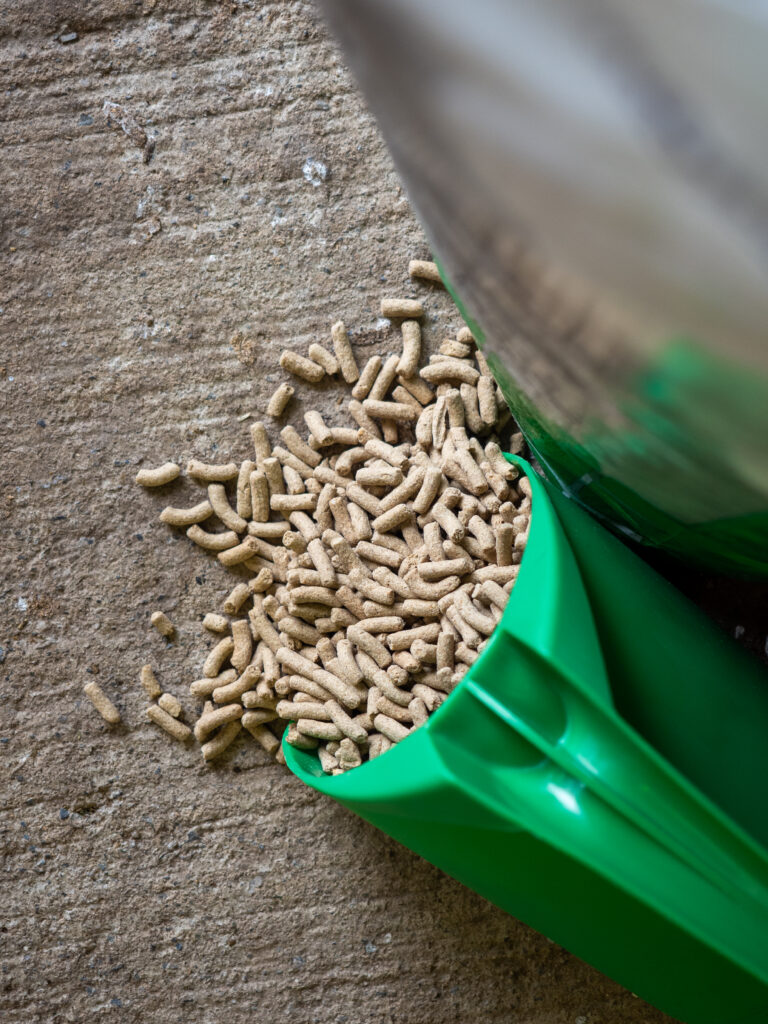
KER EquiJewel is a stabilised rice-bran conditioning supplement which helps buffer both the gastric and hindgut environments.
HIND GUT
The hindgut is a collective term for the cecum and the colon. The cecum is the epicentre of forage digestion, due to the fermentation capability of the billions of microorganisms that reside there. Digestion of fibre results in the production of energy that is vital for fuelling everyday work and play. Fibre digestion by the microbial population continues through the colon, particularly in the areas that are most capacious.
There are times, though, that the cecum does not function at full capacity. Among performance horses, one of the likeliest causes is hindgut acidosis. Because performance horses must often eat rations containing large volumes of cereal grain, starch sometimes passes through the small intestine undigested. Unfortunately, the cecum is not the best place for starch digestion. When cecal microorganisms ferment starch, the environment changes considerably, becoming increasingly acidic. With the swell in acidity, a population shift occurs among the microorganisms, with many beneficial species dying off.
An unstable microbial population sometimes causes problems with weight loss, reluctance to eat, poor performance, recurrent low-grade colic, loose manure, and behavioural issues.
HOW TO FEED YOUR PERFORMANCE HORSE WITH DIGESTIVE HEALTH IN MIND
The number one rule for feeding horses is to always provide horses with forage. The choice of forage depends on the horse. A good doer might need lower-quality hay or pasture, but a hard-keeper may require a high-quality variety. Calorie-rich lucerne has inherent buffering properties, so it would be especially appropriate for a hard keeper prone to gastric ulcers. While forage availability is considered a non-negotiable, we can take extra precautions to prevent gastric ulcers by using a supplement that contains a buffering agent. There are many buffer-type supplements on the market, and those containing bioavailable marine derived calcium is common. KER EquiJewel is a stabilised rice-bran conditioning supplement which contains BMC, a research-proven ingredient from Kentucky Equine Research. BMC provides three key research-proven benefits to horses, buffering both the gastric and hindgut environments, and improving bone density in exercising horses.
Reducing acid load in both regions of the gut is important to maintain a healthy gastrointestinal tract. Calcium carbonate, known also as limestone, is commonly used as a source of calcium in feeds and has some ability to buffer acid. BMC contains a more bioavailable form of calcium that provides greater buffering capacity throughout the digestive tract.
In laboratory studies conducted at Kentucky Equine Research, BMC increases buffering capacity by 28% compared to limestone in acid conditions typically seen in the stomach. Excessive gastric acidity in the stomach has been implicated as a major factor in the development of gastric ulcers in horses.
Excessive acid production in the cecum and colon can lead to hindgut acidosis. Hindgut acidosis often occurs in horses with high grain intakes or in horses grazing rich pasture. Acute hindgut acidosis can lead to intestinal damage, dysbiosis, and leaky gut. Research at Kentucky Equine Research has shown that feeds fortified with BMC have a 22% better capacity to buffer acids produced in the horse’s hindgut compared to the same feeds fortified with limestone and help to increase the pH to optimal levels for fibre digestion and general microbiome health.

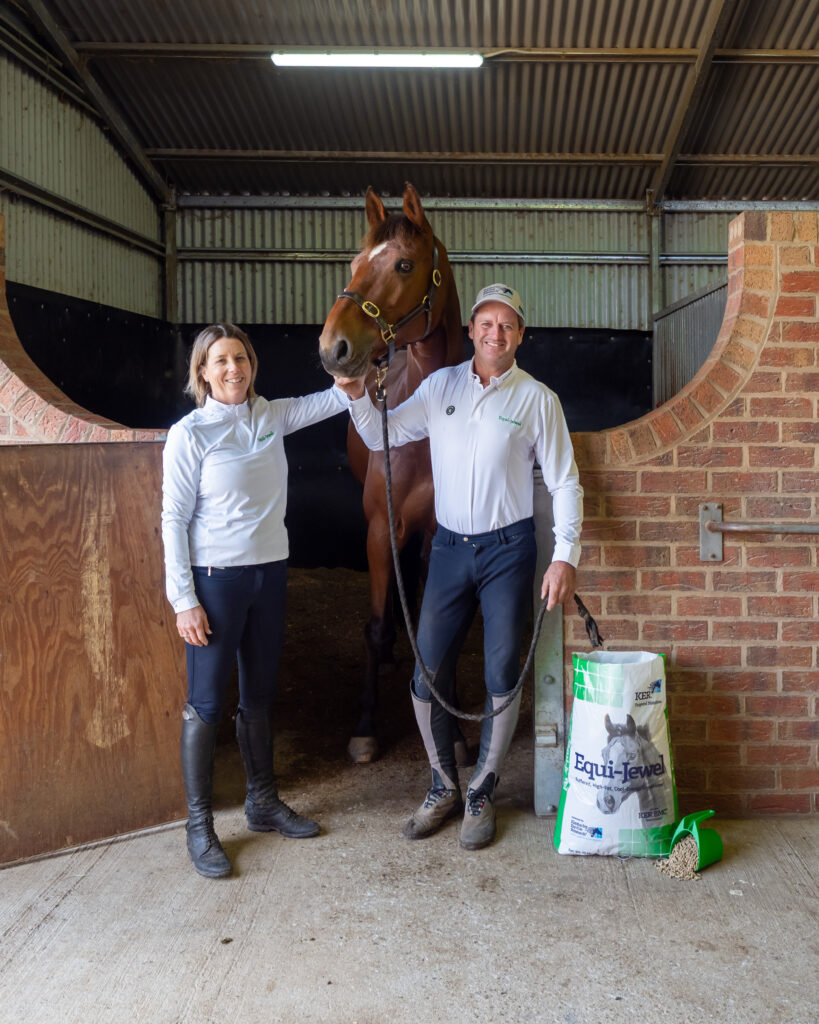
Horses at Glenwood Park thrive on KER.
KEY MANAGEMENT TIPS
Feed small meals, no larger than 2.5kg, so starch digestion is complete by the time ingesta enters the cecum. It is not unusual for horses to be fed three or more small meals a day when large quantities of feed are necessary to maintain body condition and meet energy requirements.
Lower the risk of undigested starch entering the hindgut by choosing a feed that is higher in fat and fibre, or by selecting a feed that contains grains that have been cooked (steam-flaked, micronized, pelleted, or extruded), which have higher prececal digestibility. EquiJewel is a fantastic source of additional fibre and energy – due to its high fat content, it is nutritionally concentrated and thus a little goes a long way, reducing the need for large grain meals to be fed to meet a horse’s energy requirements.
In addition to high-grain diets, hindgut acidosis can be caused by fructan-rich pastures. The same mechanism is at work: the small intestine becomes overwhelmed with fructans and is unable to properly process it, and the undigested fructan moves on to the cecum, where fermentation causes a downshift in pH and subsequent upset of the microbiome. Limit the access to fructan-rich pasture or provide a gastric buffer to help counteract the pH shift.
Horses at risk of gastric ulcers and hind gut acidosis may benefit from the addition of KER EquiJewel in the diet. EquiJewel contains BMC, which is research proven to buffer gastric and hind gut acid. EquiJewel is a high fat supplement which is rich in digestible fibre, which all combines to support a healthy digestive tract and microbiome.
In summary, digestive health is front and foremost in horse owner’s minds, and for good reason – the equine digestive tract is vital for horse’s health, well-being and performance. How we feed our horses is key to ensuring the gut remains healthy including adequate forage, small meals, reduced reliance on cereal grains, inclusion of high fibre and fat conditioning supplements, and providing digestive support supplements where appropriate. EQ
Related articles

A horse’s energy sources directly influence behaviour, stamina, and overall health and performance. Kentucky Equine Research and showjumper Brook Dobbin explain how to tailor feeding for controlled, sustained energy.
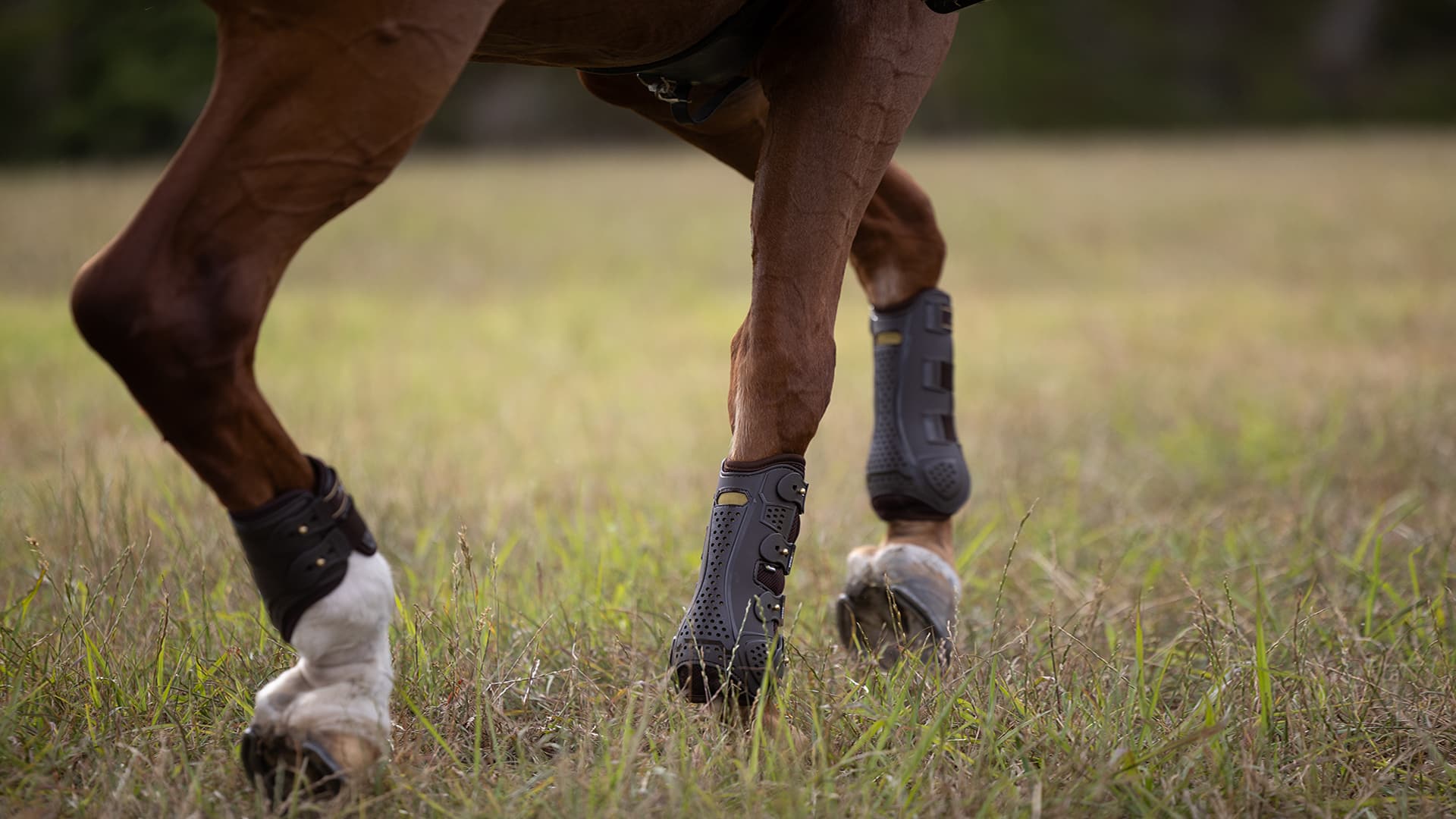
Protecting our horses’ legs has long been considered a mark of good horsemanship. Boots and bandages are widely used to reduce the risk of knocks, interference injuries, and accidental strikes during exercise – and rightly so. Leg protection plays an important role in safeguarding the lower limb and reducing the risk of external trauma during work.